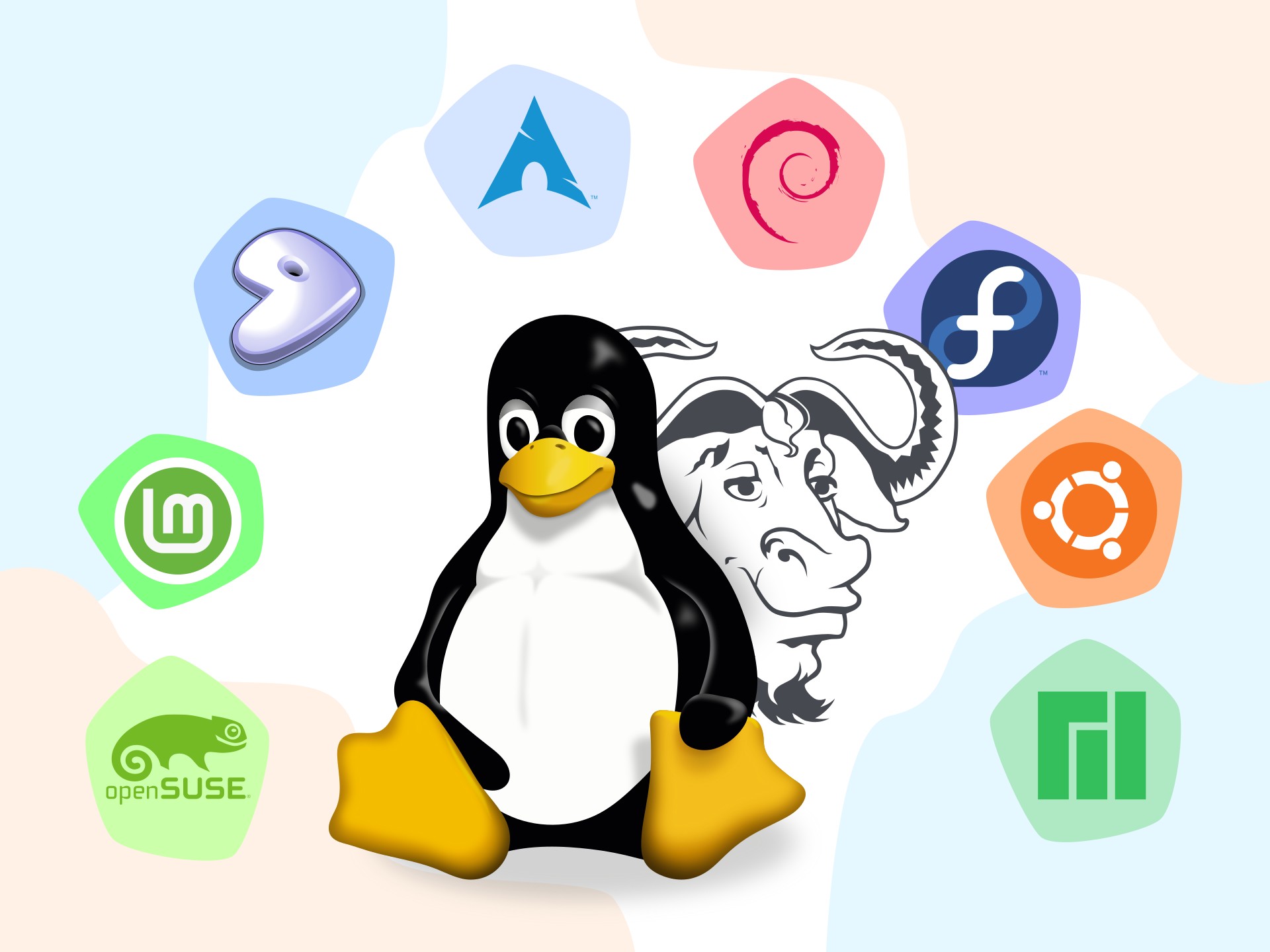
Software is supposed to be a tool at our service. Yet computer programs often slip beyond our control and end up serving other interests.
Computer science is an eminently complex scientific and technical field that allows software to be designed to function in a deliberately opaque manner. As users, we are all too often forced to adapt to a logic—a way of operating—that does not meet our expectations or needs. Software is often deliberately limited by its developers in order to extract as much money from us as possible. If we want to unlock features, we have to pay. With the evolution of cell phones, which are now true computers, we see just how technically restricted they are, and how we cannot use their full potential. We should be able to connect a keyboard, mouse, and monitor to them and perform all the tasks we do on a computer. Common mobile systems (Android, iOS) are limited versions of their desktop counterparts (Windows, macOS), and mobile apps are restricted versions. Worse still, with the rise of a business model based on monetizing personal data—driven in particular by Google—most software today spies on us and steals our data to sell it. Instead of having tools that serve us, we end up with tools that work against us!
What Is Free Software?
Free software offers a different approach to computing. It is part of an ethical movement that defends the freedom of users. Free software is there to serve us.
Software is considered free (libre)1 if it respects at least 4 freedoms:
- the freedom to run the program for any purpose;
- the freedom to study how the program works and adapt it to our needs;
- the freedom to redistribute copies of the program (gratis or commercially);
- the freedom to improve the program and distribute these improvements to the public, so that the entire community can benefit.
Freedom is a concept that applies to individuals, not to things. When we talk about free (libre) software, in reality it is not the software that is free, but rather it means that this software defends our freedom. In fact, some prefer to speak of “liberating software,” but this usage is less common. In the definition of free software, the breakdown into the four freedoms listed above clarifies what is specific to the use of software to guarantee users' freedom.
Although it is not explicitly mentioned in the definition, access to the source code of software is essential to guarantee these freedoms. The source code is the set of instructions, written in one or more text files, that tells the computer what to do, in what order, and how, in order to produce the desired software. This text is written in a human-readable programming language, such as C++, Python, or Rust. To be executed by the computer, this source code must be converted into machine-readable instructions, either by a compiler that produces a binary file executable by the operating system, or by an interpreter that reads the source code line by line and executes the corresponding actions as it goes. For example, most of the common software installed on our devices are executable binary files, such as a web browser (Firefox), word processing software (LibreOffice), a music and video player (VLC)... And a web browser, such as Firefox, is an interpreter that displays web pages based on their source code, which is itself written in programming languages such as HTML, JavaScript, or CSS (the Ctrl+U key combination allows you to view the source code of the web page).
Staying in Control: Technology at Our Service
Access to the source code of a software program allows us to understand how it works, to ensure—in particular—that it is not malicious, and thus to maintain control over it. You don’t have to be a software developer yourself to benefit from this. The transparency of free software’s source code allows a global community—made up of both professionals and enthusiasts—to verify, test, and fix it. This significantly reduces the risk of vulnerabilities or backdoors2 and contributes to everyone’s security. Furthermore, this availability of the source code allows the software to be adapted to specific needs, either by modifying it directly (if one has the skills to do so) or by reaching out to the community. We are not at the mercy of unilateral decisions by software companies, particularly when they choose to end support for a tool to force the purchase of a new product. Choosing free software—and even more so, contributing to free projects—means becoming part of a dynamic community, through which we collectively gain skills and autonomy.
More Than a Technical Issue: A Philosophical Approach
Using free (libre) software means advocating for the sharing of knowledge and respect for users; it means choosing cooperation over competition. Free software forms an ecosystem where technology is a common good, accessible to everyone. Adherence to free (libre) protocols and formats—that is, standards whose technical specifications are public and unrestricted in use—enables compatibility between tools. This is interoperability between different systems. It is guaranteed by free software and standards. It allows for smoother workflows and avoids the technological lock-ins imposed by proprietary software.
Major technology companies (Microsoft, Apple, Google, etc.) engage in practices that run counter to the free (libre) approach. These companies sell and offer proprietary software3, that is, software that does not respect users’ freedom and places its owner in a position to exercise power over users. In particular, these companies seek to monopolize and control access to digital tools through proprietary formats whose use is restricted by legal or technical constraints.
Defending an Ideal
The freedom to use and distribute free software means it is, by definition, free of charge. So there’s no reason not to give it a try. But choosing free software goes beyond just the fact that it’s gratis. Freedom, security, innovation, ethics: free software contributes to a more respectful, fairer, and more sustainable digital future.
Join the free software movement and take control of your digital life!
And to get started, we offer an introduction to Linux!
-
The adjective free in English is commonly used in one of two meanings: "at no monetary cost" (gratis) or "with little or no restriction" (libre). This ambiguity can cause issues where the distinction is important, that is why we use "(libre)" alongside free. Richard Stallman, advocate of free software and founder of GNU, recommends using the slogan: "Think free as in free speech, not free beer." This basically means: "Think free as in libre, not gratis." (from Wikipedia) ↩
-
A backdoor is a mechanism, often intentional, that allows access to a computer system, software, or network without going through normal authentication procedures and that can be exploited for malicious purposes. ↩
-
Definition of proprietary software by the Free Software Foundation: Proprietary Software Is Often Malware ↩